Inside a mobile locksmith visit: what happens when you call
What brings a mobile locksmith to your door
Locking yourself out of your own home is one of those moments that shifts the whole day. The door clicks shut, you pat your pockets and realise the keys are inside, and suddenly a simple errand becomes a problem that needs solving fast. Many people assume that a locksmith visit is a drawn-out affair involving drilling, replacement parts and a hefty bill. In reality, a professional mobile locksmith can often get you back inside within a short time, with minimal fuss and no permanent damage to the door or lock.
The process that unfolds from the moment you make the call to the moment you hear the lock click open follows a logical sequence. Understanding what happens during that sequence can ease the anxiety of being locked out and help you feel more in control of the situation. The same principles apply whether you are dealing with a door lock at home, a car lock on a vehicle, or a commercial entry system at a business.
First contact: what the dispatcher needs to know
When you reach out for a home lockout service, the person on the other end will ask a few specific questions. They need to know the type of property you are locked out of, the kind of lock on the door, and whether you have any spare key available. They will also confirm your location and, in many cases, ask for proof of ownership before sending anyone out. This step protects both you and the property owner. A legitimate locksmith will never risk opening a door without verifying that you have the right to be let in.
Be ready to describe the lock cylinder if you can. Is it a standard key-in-knob set, a deadbolt, a smart lock, or something older? The more detail you can provide, the better prepared the technician will be. They may also ask if there is a secondary entry point, such as a back door or a window, that might offer easier access. This is not a sign of incompetence, it is a practical way to get you inside faster and with the least possible disruption to the hardware.

Arrival and assessment
Once the mobile service arrives, the technician will first take a look at the door and the lock. They will check the alignment of the door within the frame, the condition of the strike plate, and the type of lock mechanism. This visual assessment tells them what tools and techniques will work best. A skilled locksmith can often tell within seconds whether the lock can be manipulated open without damage or whether drilling will be necessary.
If the lock is in good shape and the door is properly aligned, the technician will likely use non destructive entry methods. These techniques involve using specialised picks, tension wrenches, and sometimes a bypass tool to move the internal components of the lock cylinder into the correct position so that the lock turns freely. The goal is always to leave the lock fully functional and the door undamaged. In many cases, you would never know that anyone had worked on it.
The tools and techniques used
Professional locksmiths carry a range of instruments that allow them to handle most lock types without resorting to force. Pick sets come in various shapes and sizes to match different pin tumbler layouts. Tension tools apply gentle rotational pressure while the picks lift each pin to the shear line. Some technicians also use electric pick guns or decoder tools for certain high-security locks. These devices speed up the process but still require a steady hand and a good feel for the lock's internal feedback.
For more stubborn locks or those that have been damaged by attempted forced entry, the technician may need to drill a small hole through the cylinder to reach the actuator mechanism directly. This is a controlled procedure that sacrifices the lock cylinder but preserves the door and the surrounding frame. After drilling, the technician will either replace the cylinder on the spot or install a temporary solution until a permanent replacement can be fitted. This approach is always a last resort, used only when picking is not possible.
Another tool that sometimes comes into play is a long reach tool or an under-the-door tool. These are thin, flexible strips of metal that can be slid through a gap between the door and the frame to manipulate a lever handle or push down a locking button from the inside. This method works well on certain types of interior doors and some older car locks, but it requires a gap of at least a few millimetres and a lock mechanism that can be triggered from outside.
Time factors: how long does it really take?
The duration of a locksmith visit varies based on several factors. The complexity of the lock is the biggest variable. A standard pin tumbler deadbolt on a residential door can often be picked in a few minutes by an experienced technician. High-security locks with anti-pick pins, sidebars, or magnetic elements take longer. The condition of the lock also matters. Rust, dirt, or previous damage can make the pins stick or the cylinder bind, slowing down the picking process.

Your location relative to the locksmith's base of operations influences the total time as well. A mobile service that covers a wide area may need twenty to forty minutes to reach you, depending on traffic and distance. Once on site, the actual work usually takes between five and thirty minutes. After hours calls may take slightly longer because fewer technicians are on duty, but most reputable services maintain a 24/7 roster precisely for these situations.
What happens after the door opens
Once you are back inside, the technician will typically test the lock to ensure it still operates smoothly. If the lock was picked, it should work exactly as before. If drilling was required, the technician will discuss replacement options. Many mobile locksmiths carry a selection of replacement cylinders and can install a new one immediately. This saves you a second trip and ensures your home is secure again before they leave.
After the immediate problem is solved, you might want to consider whether your current lock setup gives you the convenience and security you need. A spare key kept with a trusted neighbour or in a secure hiding spot can prevent future lockouts. Some people upgrade to keyless entry systems that use a code or a smartphone app, eliminating the risk of leaving keys inside altogether. A locksmith can advise on these options without pressure, but the decision is entirely yours.
It is also worth checking that the lock and door frame are in good condition. Over time, doors can sag slightly, causing the latch to misalign with the strike plate. This misalignment can make it harder to lock or unlock the door and may contribute to future lockouts. A simple adjustment of the strike plate or the hinges can often fix the issue and make the door operate smoothly again.
Preparing for a possible future lockout
No one plans to be locked out, but a little preparation can make the experience far less stressful. Keep a spare key in your car, with a friend, or in a combination lockbox attached to a secure part of your property. Make sure that everyone in your household knows where the spare is and how to access it. If you have recently moved into a new home, consider having the locks rekeyed so that you know exactly who has keys and that no previous owner or tenant still holds a copy.
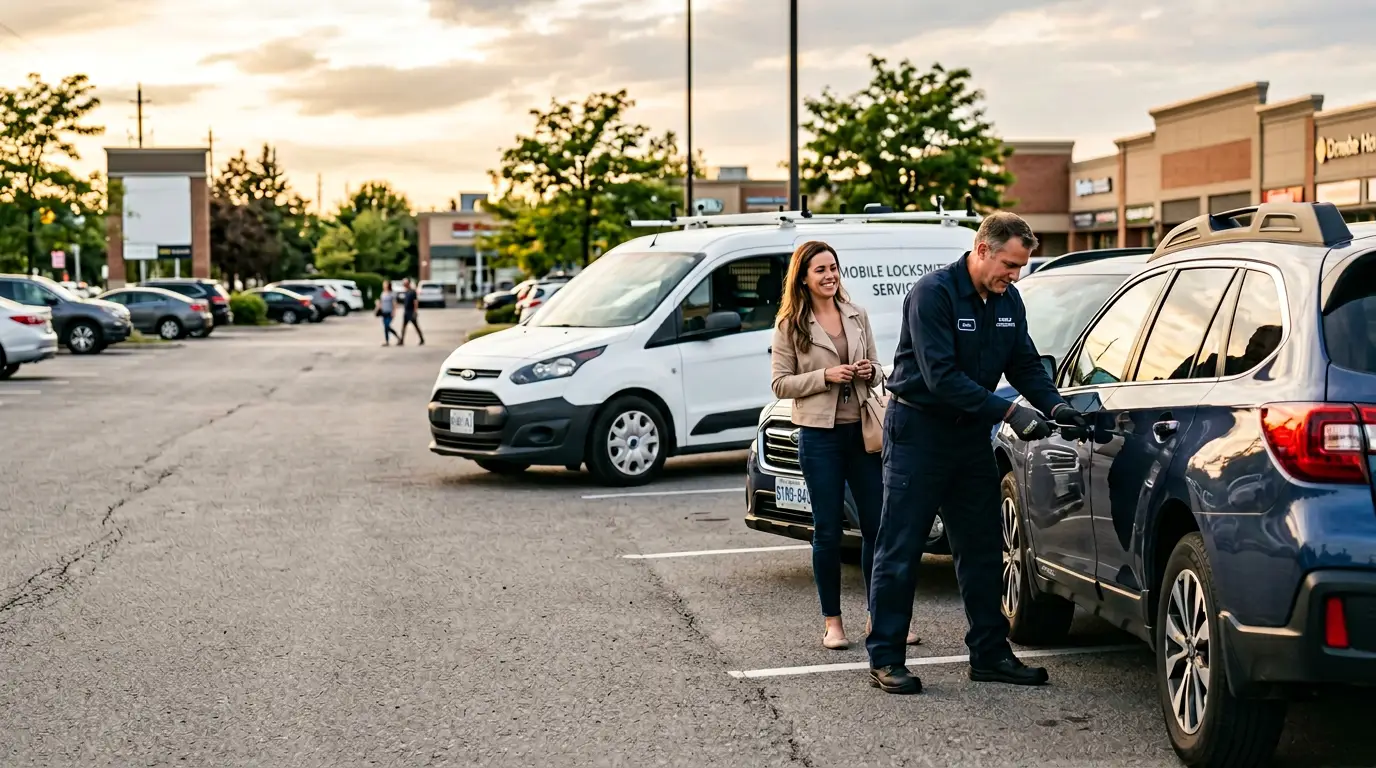
Having the contact information for a reliable mobile locksmith saved in your phone is another simple step that pays off when you need it most. You do not want to be searching online while standing outside in the rain or the cold. The locksmith you call should be able to verify your identity quickly, arrive within a reasonable time, and use methods that protect your property. A home lockout service is not just about opening a door, it is about restoring your peace of mind with minimal disruption to your day.
Being locked out can feel like a major setback, but the reality is that a trained professional can resolve the situation swiftly and cleanly. The more you know about what to expect, the more calmly you can handle the moment when it happens. And with a few small precautions, you may never need to make that call in the first place.